
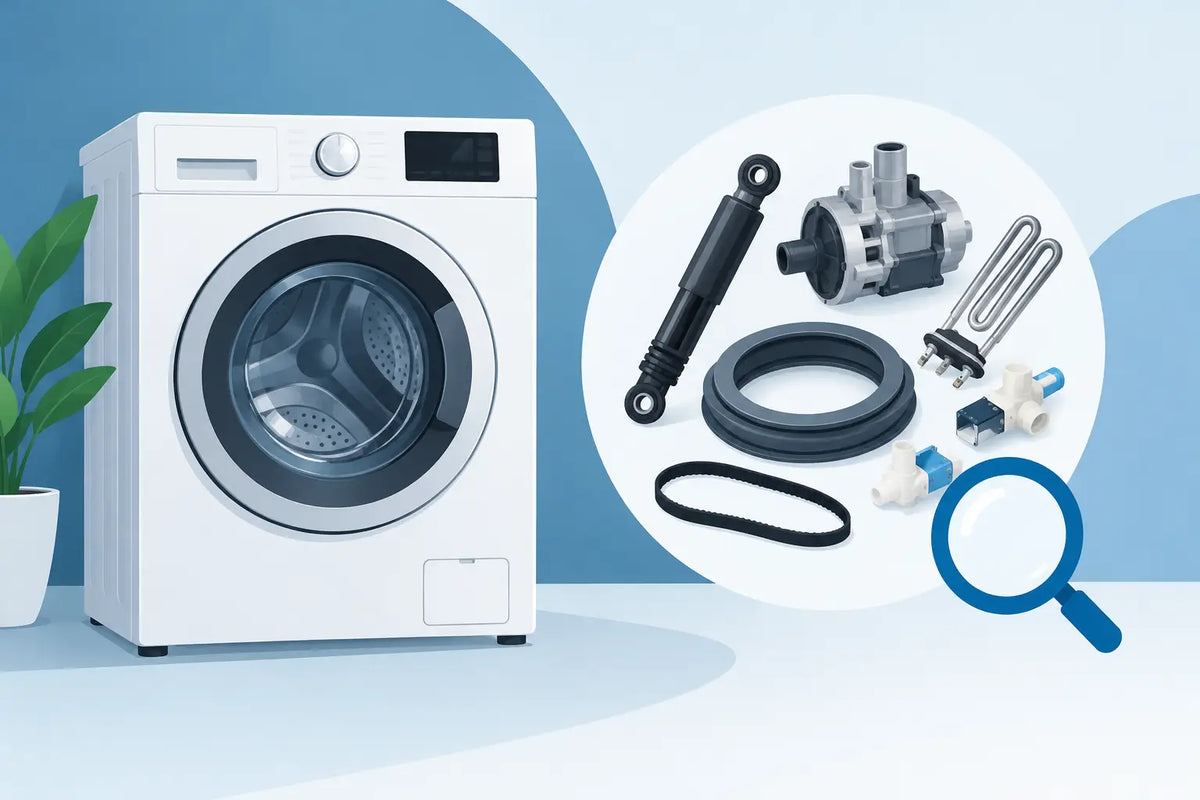
A washing machine fault has a habit of arriving at the least convenient moment: a load trapped behind a locked door, water on the kitchen floor, or a drum that refuses to turn. The right Beko washing spares can often turn a frustrating breakdown into a straightforward repair, without the cost and disruption of replacing the whole appliance.
For many common faults, the key is not guessing which part looks similar. It is matching the replacement to the exact Beko model, checking the symptoms carefully and fitting a component designed for the job. A door seal, pump filter or drawer front may be relatively simple to replace. Motor, wiring and electronic faults can need more caution.
Start with the Beko model number
Before ordering any washing machine spare, find the appliance model number. It is usually shown on the rating plate around the door opening, behind the door, on the rear panel or in the instruction booklet. The code may include letters, numbers and version details, so copy it exactly rather than relying on the machine's general appearance.
This matters because Beko washing machines can use different door seals, pump assemblies, detergent drawers and handles across models that look almost identical from the outside. A part description such as “Beko door handle” is a useful starting point, but model compatibility is what confirms whether it will fit.
If the rating plate is worn or difficult to read, take a clear photograph before searching. Check both the complete model number and any product or stock code shown alongside it. This small step can save the time and cost of returning an unsuitable part.
Common Beko washing spares and what they fix
The fault usually points you towards a particular area of the machine. Looking at the symptoms first makes it easier to identify the part you need.
Door handles, catches and interlocks
A loose, cracked or snapped handle is one of the more obvious washing machine faults. If the handle has broken but the door itself is intact, a replacement handle can restore normal use at a modest cost. Check whether the handle is supplied with its spring and pin, as some designs require these parts to be transferred from the old fitting.
If the handle feels fine but the machine will not start or the door will not release, the issue may be the door interlock rather than the handle. The interlock is the safety mechanism that confirms the door is closed before a cycle begins. A failed unit can cause clicking, a flashing lock symbol or a machine that fills but does not run. Always isolate the appliance from the mains before inspecting this area.
Door seals
The rubber seal around the opening prevents water escaping while the drum turns. Over time, it can split, perish, stain or develop mould in folds where moisture sits. A damaged seal may leave water around the front of the machine, especially during a spin cycle.
When replacing a Beko door seal, compare the shape, drainage holes and fixing arrangement with the original. Fitting can be fiddly because the seal is held by retaining bands, but it is a practical repair for a confident home user. Make sure the seal sits evenly all the way around before refitting the bands, or leaks may continue.
Drain pumps, filters and hoses
Water left in the drum at the end of a wash is often linked to a blocked filter, pump or drain hose. Start with the filter, normally located behind a small flap at the front of the machine. Put down towels and a shallow tray first, as water will come out when the filter is removed.
Coins, hair grips, lint and small items from pockets can stop the pump impeller from moving freely. If the filter is clear but the machine still will not drain, a replacement drain pump may be required. A humming sound without water leaving the machine is a common clue, though a blocked outlet hose can produce similar symptoms. Check for simple blockages before ordering a pump.
Detergent drawers and drawer fronts
A cracked detergent drawer, missing drawer front or broken compartment insert makes wash day more awkward than it needs to be. It can also affect how detergent and conditioner are flushed into the machine. Replacing the damaged component keeps the dispenser working neatly and can improve the appearance of an otherwise sound appliance.
Buildup in the drawer housing is also common. Remove the drawer where possible and clean it with warm water before assuming a replacement is needed. If plastic clips have snapped or the drawer no longer slides correctly, matching Beko washing spares by model number is the sensible next step.
Carbon brushes, belts and drum parts
A drum that will not turn, turns inconsistently or produces a burning smell may have a worn drive belt, motor brush or another mechanical fault. Carbon brushes are fitted to certain motor types and wear down gradually with use. When they are worn, the motor may struggle to turn the drum or stop working altogether.
These repairs are more involved than changing a drawer or filter. The machine must be unplugged, water supplies should be considered if it needs moving, and panels may need to be removed. If you are unsure about working near motors, capacitors or wiring, use a qualified appliance engineer. The part may be affordable, but safe diagnosis and fitting come first.
Check the fault before you buy
It is tempting to order the first component that seems likely, particularly when the washing is piling up. A few checks can prevent an unnecessary purchase. Does the machine have power? Is the water tap fully open? Is the filter blocked? Has a child lock been activated? Is the door closing properly?
Error codes can help, but they are not always a final diagnosis. A drainage-related code, for example, may be caused by a blocked filter, restricted hose, faulty pump or wiring issue. Treat the code as a useful direction rather than proof that one specific spare has failed.
Take note of sounds and timing as well. A loud rattle during draining suggests an obstruction. Repeated clicking at the start of a cycle can indicate a door-lock problem. A leak from the front points towards the seal or dispenser area, while water beneath the machine could come from a hose, pump or internal connection.
Choosing between genuine and compatible replacements
The best choice depends on the part and your model. Genuine Beko components are made for the appliance range and offer the strongest reassurance on fit and specification. They can be especially worthwhile for seals, electronic parts and components where shape, connectors or safety features must be exact.
Compatible replacement parts can be a practical, cost-effective option for selected items, provided the model compatibility is clearly stated. They are not automatically lower quality, but specifications vary, so read the product description carefully. Check dimensions, connector type and included fittings where relevant.
Do not force a part to fit. A connector that is different, a seal that will not sit correctly or a handle with misplaced fixing points is a sign to stop and recheck the model number. Forcing components can damage the appliance and create a more expensive repair.
Make the repair safer and quicker
Switch off and unplug the washing machine before beginning any repair. Turn off the water supply if you will be removing hoses, and keep towels nearby for residual water. Photograph the original part and any wiring connections before taking anything apart. This gives you a useful reference when it is time to reassemble the machine.
Keep screws and clips together in a small container, and do not run a full load immediately after a repair. A short rinse or drain cycle lets you check for leaks, unusual noises and correct door operation. If the machine has been moved, make sure it is level again before using a high-speed spin.
For UK households, repairing a reliable washing machine can be far better value than replacing it early. The right Beko spare can solve a simple fault, reduce waste and get the laundry routine back on track. Spares Direct Oldham makes it easier to search for model-specific parts, so you can order with greater confidence and focus on getting the repair done properly.