
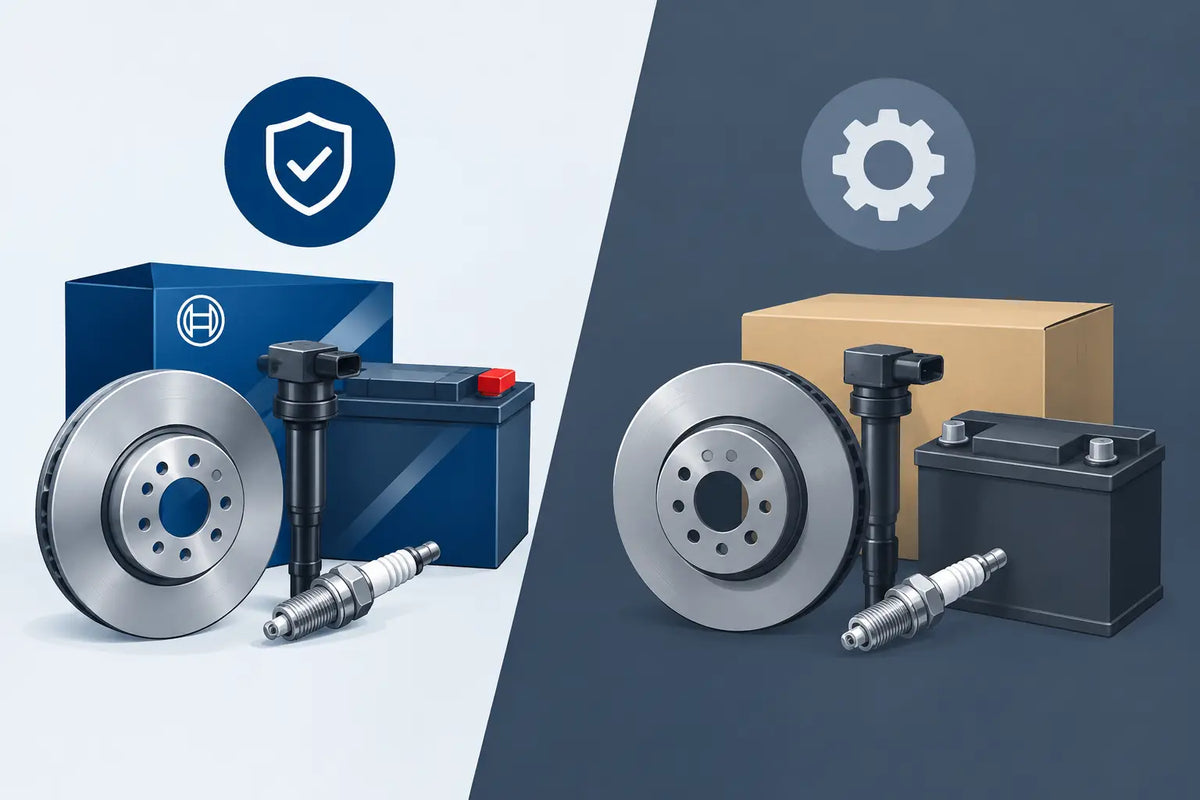
A cracked freezer drawer front, worn washing machine door seal or missing oven knob can make an otherwise reliable Bosch appliance frustrating to use. When you start comparing Bosch original versus aftermarket parts, the right choice is not always simply the cheapest or the most expensive option. It comes down to the part itself, your appliance model and how much confidence you need in the fit.
For many everyday repairs, replacing one damaged component is a far more sensible option than replacing the whole appliance. The key is ordering a spare that is genuinely suitable, rather than relying on a product that only looks similar in a photograph.
Bosch original versus aftermarket parts: the difference
An original Bosch part is made or supplied under the Bosch name for use with its appliances. It is designed to match a particular appliance range, model or production version. Where the correct part number has been identified, an original replacement should match the original component in dimensions, fittings and intended function.
An aftermarket part is made by another manufacturer. It may be produced as a direct compatible replacement for a Bosch model, or it may be a more general alternative designed to fit several appliance brands and models. Some aftermarket spares are very close to the original design. Others are more basic replacements, which is why checking the product description matters.
Neither label tells the whole story on its own. A well-made compatible freezer drawer front can be an excellent value repair. Equally, a low-cost part with vague compatibility details may be a poor fit and create more work than it saves.
When an original Bosch spare makes sense
Original parts are often the straightforward choice when the component has to fit precisely or has a direct effect on the appliance's operation. Examples include shaped fridge shelves, freezer drawer fronts, door handles, control knobs, internal fittings and model-specific trim pieces. These parts can vary between very similar-looking Bosch models, so the correct version is more important than the appliance family name alone.
Original equipment can also be preferable for parts that work with water, heat or electrical systems. A door seal that does not sit properly can affect fridge temperature and energy use. A poorly matched washing machine part can cause leaks or vibration. For safety-related components, electrical items and parts inside a machine, a qualified repairer may be the best person to diagnose the fault and fit the replacement.
There is also reassurance in ordering a branded spare when you want the closest match to the component you are replacing. This can matter if the appliance is relatively new, under warranty, or part of a fitted kitchen where the finish and fit are especially noticeable.
The trade-off is price and availability. Original parts can cost more, and some older components may be limited in supply. That does not mean a repair is off the table. It simply means a compatible alternative may be worth considering if it is listed clearly for your exact model.
When a compatible aftermarket part is a sensible choice
Aftermarket parts can offer very good value for common repairs, particularly when a component is simple, non-electrical and designed as a direct replacement. A compatible item can be the practical answer when an original part is discontinued, difficult to source or disproportionately expensive compared with the age and value of the appliance.
The best compatible spares state exactly which model numbers they fit. Look for product measurements, clear photographs and details of any clips, tabs, screw positions or fixing points. If a listing says it is a replacement for a Bosch part number, compare that number with the one on your existing component or in the appliance documentation.
A compatible part may not always have identical branding, colour tone or finish. On a hidden fitting, that may not matter at all. On a visible drawer front or handle, it is worth deciding whether a close functional match is enough or whether you would prefer the original appearance.
Price should be weighed against expected use. A rarely used shelf insert and a heavily used washing machine door handle do not face the same demands. The aim is not to buy the cheapest spare available. It is to buy the right spare for the repair, at a sensible price.
The model number matters more than the appliance name
“Bosch fridge” or “Bosch washing machine” is not enough information to order with confidence. Bosch makes many versions of each appliance, and small changes in production can affect which part fits. Two freezer drawers may look almost identical while having different rail positions, widths or front fixings.
Find the appliance's E-Nr or model number on its rating plate before searching. On washing machines, this is commonly around the door opening, on the rear panel or behind the detergent drawer. For fridges and freezers, check inside the cabinet walls, near the salad drawer or around the door frame. Ovens and cookers often have the rating plate around the door area or frame.
If possible, note the full model number and the FD number as well. The FD number helps identify the production period and can be useful where parts changed during a model's lifespan. Taking a clear photograph of the rating plate and the damaged component can prevent a costly ordering mistake.
Do not rely solely on the number moulded into a broken plastic part. It may be a manufacturing code rather than the orderable spare part number. Use it as an extra clue, but always check it against the appliance model and the replacement description.
Check these details before placing an order
A few minutes spent checking fitment can save the delay of returning an unsuitable part. Start with the exact appliance model, then compare the replacement with the old component. For a drawer front, check the width, height, clip position and shape. For a handle, check screw spacing and fixing direction. For a seal, check the overall profile and how it attaches to the door or cabinet.
Also consider whether the fault is definitely in the part you can see. A fridge drawer that will not slide may have worn runners rather than a damaged drawer. A remote control that does not work may need fresh batteries, cleaning around the battery contacts or a check that the television itself is responding. Replacing the obvious item only helps if it is the cause of the problem.
Read compatibility wording carefully. “Fits Bosch” can be too broad unless the supported model numbers are shown. A part described as compatible with your precise model is far more reassuring than one described only by appliance type or brand.
Quality, fitting and the true cost of a repair
The lowest price is not always the lowest-cost solution. If an ill-fitting part cracks quickly, leaks, rattles or has to be returned, the saving disappears. On the other hand, paying extra for an original component may not be necessary where a good compatible replacement is clearly specified and suitable for a straightforward repair.
Think about the cost in context. Replacing a worn shelf, drawer front or knob can extend the useful life of an appliance for years and avoid the expense of a full replacement. For a practical household repair, that is often excellent value.
Before fitting any part, switch off and unplug the appliance where appropriate. Follow any supplied instructions, keep screws and fittings organised, and avoid forcing clips or panels into place. If the repair involves wiring, water connections, gas, heating elements or a safety-critical component, stop and seek professional advice rather than taking a chance.
Choosing the right Bosch replacement part
The most reliable choice is the one that matches your appliance, the job and your budget. Original Bosch parts suit repairs where exact specification, appearance or manufacturer matching is the priority. Aftermarket parts can be a smart alternative where compatibility is confirmed and the replacement is appropriate for the job.
At Spares Direct Oldham, the focus is on helping households find practical replacements without the hassle of replacing an appliance that still has plenty of life left. Start with the full model number, check the part details carefully and choose the option that gives you confidence before ordering. A correctly matched spare can turn an inconvenient fault into a quick, affordable fix.